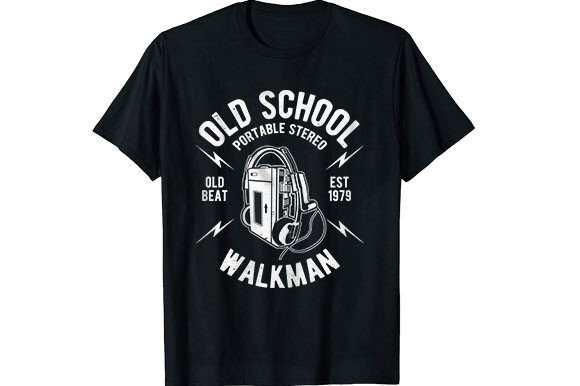
Walkman Graphic T-shirt Design: A Retro Revival for Modern Brands
There’s something magnetic about the iconic silhouette of a personal cassette player from the 1980s. It represents a specific era of music culture, rebellion, and personal expression. This distinct aesthetic isn't just nostalgia—it's a powerful visual language that communicates retro cool, analog warmth, and a touch of rebellious spirit. For designers and entrepreneurs, tapping into this visual shorthand can instantly connect with audiences who appreciate vintage style with a contemporary edge. A well-executed graphic featuring this classic device does more than decorate a garment; it tells a story.
More Than Just a T-Shirt Graphic: A Versatile Design Asset
While its name suggests apparel, the utility of a high-quality vector design extends far beyond the cotton tee. Think of this asset as a foundational visual element for a cohesive brand universe. Its clean lines and recognizable form make it adaptable to countless applications. For a small business launching a line of music-inspired accessories, this graphic could become the cornerstone of your logo, appearing on hang tags, packaging, and your website header. A content creator could use it as a recurring motif in social media templates, adding instant thematic consistency to Instagram Stories or YouTube thumbnails.
The real value lies in the files you receive. Having access to formats like AI, EPS, SVG, and PNG means you're not locked into a single use. The vector files (AI, EPS, SVG) are infinitely scalable—blow it up for a festival poster or shrink it down for a delicate embroidery pattern on a hat, and it remains perfectly crisp. The PNG files offer high-resolution transparency, making it simple to layer over photos or textured backgrounds in Photoshop for digital marketing materials. This flexibility is what separates a simple graphic from a professional design asset.
Building a Brand Identity Around Vintage Aesthetics
Choosing a design style like a Walkman graphic is a deliberate branding decision. It immediately sets a tone. Is your brand targeting music lovers, vintage collectors, or those who appreciate analog in a digital world? The graphic acts as a visual anchor for your entire brand identity. It informs your color palette, your typography choices, and the overall mood of your communication.
Imagine pairing this graphic with a bold, condensed sans-serif font for a music festival poster—creating a sense of urgency and energy. Alternatively, combine it with a clean, modern serif typeface and muted earth tones for a premium apparel line that feels sophisticated and nostalgic. The design's "clean and smooth work" ensures it integrates seamlessly, whether it's the hero image or a subtle supporting element. This level of professionalism in your visual assets builds trust and recognition, key components of a strong brand.
Practical Applications for Creators and Entrepreneurs
The journey from a downloaded design file to a finished product is where this asset proves its worth. Let's break down the real-world value:
- Merchandise & Print-on-Demand: This is the most direct application. A pixel-perfect, high-resolution design ensures your printed t-shirts, hoodies, and tote bags look sharp and professional, minimizing customer complaints about blurry or low-quality prints.
- Digital Products & Marketing: Use the graphic in social media ad campaigns, email newsletter headers, or as part of a digital download (like a phone wallpaper or printable art) to add value for your audience.
- Event Branding: For a retro-themed party, concert, or product launch, the design can be adapted for invitations, banners, table signage, and promotional flyers, creating a fully immersive experience.
- Editorial & Blog Design: A blog about music history, vintage tech, or DIY culture could use this graphic as a custom header image, a section divider, or an illustrative element within articles, enhancing reader engagement.
The key is customization. The fact that the files are "fully customized and editable" means you aren't stuck with the original color scheme. Change the fill to match your brand's hex codes, add a text path around it, or deconstruct it to use just the iconic buttons as standalone icons. This level of control is what allows you to make the design truly yours.
Choosing and Implementing Your Design with Confidence
When integrating any graphic into your work, a thoughtful approach ensures the best results. First, consider the context. A detailed, multi-color graphic might be stunning on a poster but could become a muddy mess when embroidered on a polo shirt. Understanding the technical limitations of your final medium is crucial. Test how the design looks at both large and small scales.
Next, think about pairing. A strong graphic demands complementary typography. If the Walkman design has a lot of curved lines and detail, you might pair it with a clean, geometric sans-serif to provide balance. If you're using it as part of a logo, ensure the typeface you choose has the right personality—maybe a vintage-inspired script or a bold, retro display font. Always test your font pairings together in a mockup before finalizing.
Finally, respect the licensing. A "commercial font" or graphic asset comes with specific permissions. Always review the license to understand what's allowed, especially if you plan to sell merchandise or use the design in client work. This due diligence protects you and ensures you're using the asset ethically and legally.
In the end, a compelling graphic is a tool for communication. A design rooted in a cultural icon like the personal cassette player offers a rich, versatile foundation. It’s not just about the object itself, but the feelings and associations it evokes—nostalgia, individuality, and a love for tangible experiences. By leveraging its professional file formats and editable nature, you can weave this powerful visual thread through every touchpoint of your project, creating something that resonates deeply and stands out in a crowded visual landscape.