Motivational Tshirt Design Typography: Beyond the Quote
There's a moment in every creative project where the idea feels complete, yet the execution falls flat. You've got the perfect phrase, the right sentiment, maybe even a brilliant concept—but when you drop it onto a canvas, a mug, or a t-shirt mockup, something's missing. The words don't land. They feel generic, uninspired, like they could belong to anyone. That gap between intention and impact often comes down to one overlooked element: the typography itself.
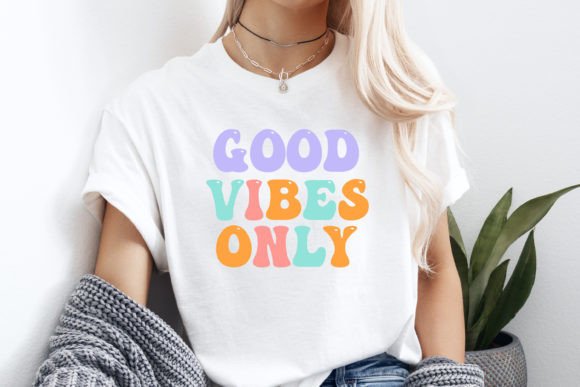
Motivational typography isn't just about slapping an inspirational quote onto a product. It's about choosing letterforms that carry emotional weight, that whisper confidence or shout resilience depending on the context. When you're designing for print-on-demand, merchandise, or branded content, the typeface becomes the voice behind the message. A bold, condensed sans serif might scream determination. A flowing script could evoke warmth and authenticity. The wrong choice? It turns your message into background noise.
Why Typography Shapes Perception Before a Single Word Is Read
Here's something most people outside of design don't realize: we process the visual shape of text before we actually read it. That means your audience is forming an impression—consciously or not—based on the font style alone. A chunky, distressed display font communicates grit and edge. A clean, modern serif suggests sophistication and trust. This is why selecting the right typeface for motivational designs isn't just an aesthetic decision; it's a strategic one.
Think about the last time you scrolled through Etsy or Redbubble and stopped on a product. Chances are, the typography caught your eye before the actual words registered. That's the power of a well-chosen font. It creates an emotional shortcut, connecting your audience to the feeling you want to evoke before they even process the message.
For small business owners building a brand around positivity, empowerment, or wellness, this matters enormously. Your typography becomes part of your visual identity. Consistent use of a particular font style across your merchandise, social media graphics, and packaging design builds recognition. Customers start associating that typeface with your brand's personality. It's not just decoration—it's communication.
Practical Applications That Go Far Beyond Apparel
While the name suggests t-shirts, motivational typography design assets serve a much broader creative landscape. Consider how versatile these elements become when you're working with high-resolution, watermark-free files ready for any medium.
Brand Identity and Logo Design: A strong wordmark or logotype often relies on a distinctive typeface. Motivational typography with bold, expressive character can anchor a brand's visual system—especially for lifestyle brands, coaching businesses, fitness studios, and self-care product lines.
Social Media Graphics: Platforms like Instagram reward visual consistency. Using the same typeface across quote posts, story templates, and carousel designs creates a cohesive feed that followers recognize instantly. Motivational quotes perform exceptionally well on social media, and the right typography makes them shareable.
Packaging and Product Design: If you're selling candles, journals, planners, or wellness products, the typography on your packaging communicates your brand's values before a customer even opens the box. A handwritten font style might suggest artisanal care, while a modern sans serif conveys clean minimalism.
Print Materials and Editorial Layouts: Think beyond merchandise. Motivational typography works beautifully on posters, wall art, greeting cards, invitations, magazine layouts, and book covers. The high-resolution files—scaling up to 10,000 pixels at 300 DPI—mean you can produce large-format prints like banners and canvas art without losing sharpness.
Digital Products and Marketing Assets: Ebook covers, email headers, webinar slides, lead magnet designs, course materials—the list goes on. Anywhere you need to communicate a message with visual punch, thoughtful typography elevates the result.
What Makes a Motivational Font Actually Work
Not every bold font qualifies as effective motivational typography. The best options share a few characteristics that make them genuinely useful for real projects.
Emotional resonance: The letterforms should feel aligned with the messages they carry. Rounded, soft shapes suggest approachability and comfort. Sharp angles and heavy weights convey power and urgency. The best motivational typefaces strike a balance—they're expressive without being distracting.
Legibility at multiple sizes: A font that looks stunning at poster scale but becomes unreadable on a business card isn't practical. Quality motivational typography maintains clarity whether it's printed on a 6-foot banner or a 2-inch product tag.
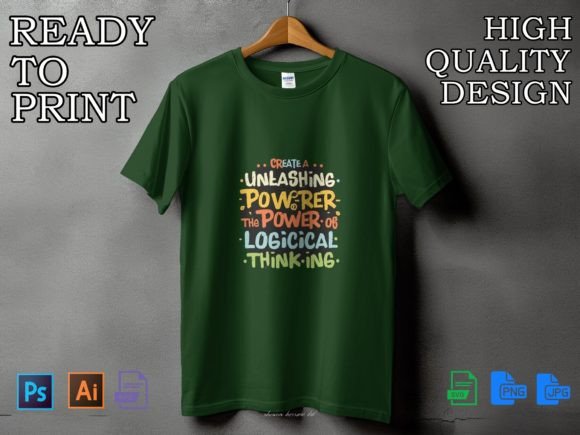
Versatile file formats: When you're investing in design assets, you need flexibility. A comprehensive package should include SVG files for scalable vector work, EPS and AI files for professional editing in Illustrator, PSD files for Photoshop workflows, plus high-resolution PNG and JPG files for immediate use. This variety ensures you're never stuck converting or compromising.
Clean, watermark-free presentation: Nothing disrupts a design workflow like trying to evaluate or present work covered in watermarks. Professional-grade assets give you the full visual experience from the moment you unzip the file.
Matching Typography to Your Project Goals
Choosing the right font starts with asking the right questions. Who is your audience? What emotion should they feel? Where will this design live?
For a fitness brand targeting young adults, a condensed, all-caps display font with strong vertical energy communicates intensity and drive. For a meditation app's marketing materials, a softer, more open typeface with generous spacing feels calming and accessible. For a motivational speaker's merchandise, something with hand-drawn character adds authenticity and personal touch.
Font pairing is another consideration worth your attention. A bold display font used for headlines pairs well with a clean sans serif or serif font for supporting text. This creates visual hierarchy—your motivational quote commands attention, while any additional copy remains readable and complementary. Testing different combinations before committing to a final design saves headaches later.
Readability shouldn't be sacrificed for style. Decorative and script fonts look beautiful in isolation but can become illegible when applied to long phrases or small sizes. Reserve the most expressive styles for key words or short phrases, and use simpler typefaces for longer passages.
Building a Library of Creative Assets That Actually Pay Off
For entrepreneurs running print-on-demand shops, content creators managing multiple brands, or designers juggling client projects, having a reliable library of typography assets isn't a luxury—it's a necessity. The time saved by having pre-crafted, professionally designed type elements ready to drop into a project compounds quickly.
When evaluating typography packages, look beyond the preview images. Check what's included: how many font styles are offered, whether the package includes both uppercase and lowercase characters, what special characters or alternates are available, and whether the licensing covers commercial use. These details determine whether an asset truly serves your workflow or becomes a one-time-use disappointment.
Resolution matters more than many people realize. A design that looks crisp on screen might print with visible pixelation at larger scales. Assets built at 10,000 pixels with 300 DPI resolution give you genuine flexibility—you can scale down for digital use without quality loss and scale up for large-format printing with confidence.
The creative possibilities expand significantly when you combine motivational typography with complementary design elements. Layering text over textures, incorporating it into illustrated compositions, or using it as part of a larger brand system multiplies the value of every asset you acquire. The goal isn't just to find a font—it's to find a creative tool that grows with your projects and adapts to your evolving vision.
Whether you're designing your first t-shirt collection, building a brand from scratch, or refreshing an established visual identity, the typography you choose tells your audience something fundamental about who you are and what you stand for. Make sure it's saying the right thing.